Tribal Sovereignty Faces New Tests With Digital Wallet Adoption in Casino Transactions
Ulrich Albrecht · Jun 15, 2026
Tribal Sovereignty Faces New Tests With Digital Wallet Adoption in Casino Transactions
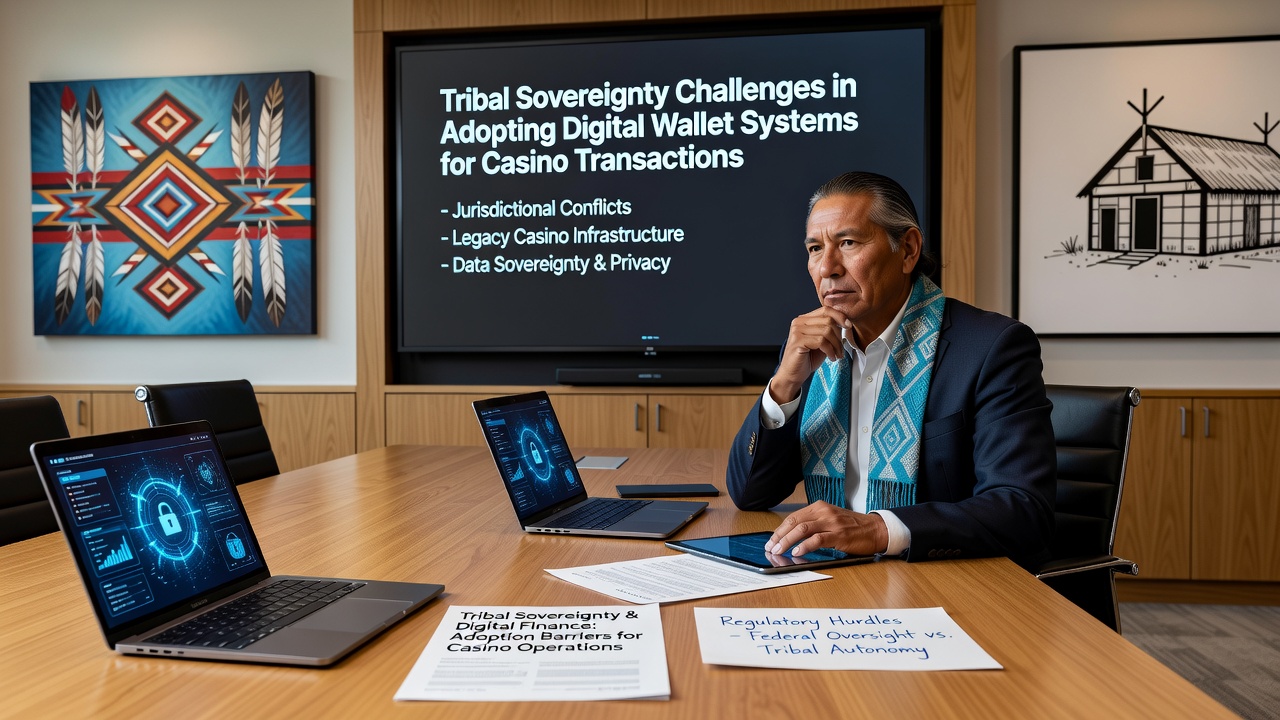
Tribal nations operating casinos under the Indian Gaming Regulatory Act encounter distinct obstacles when incorporating digital wallet systems for player transactions, since these platforms require coordination between sovereign tribal authority and external financial regulations. Data from the National Indian Gaming Commission shows that tribal gaming revenue reached $41.9 billion in fiscal year 2024, with many facilities now exploring contactless payment options to meet shifting consumer preferences. Yet the process involves navigating federal banking rules, state compact requirements, and internal tribal governance structures that predate modern fintech.
Legal Framework Governing Tribal Casino Payments
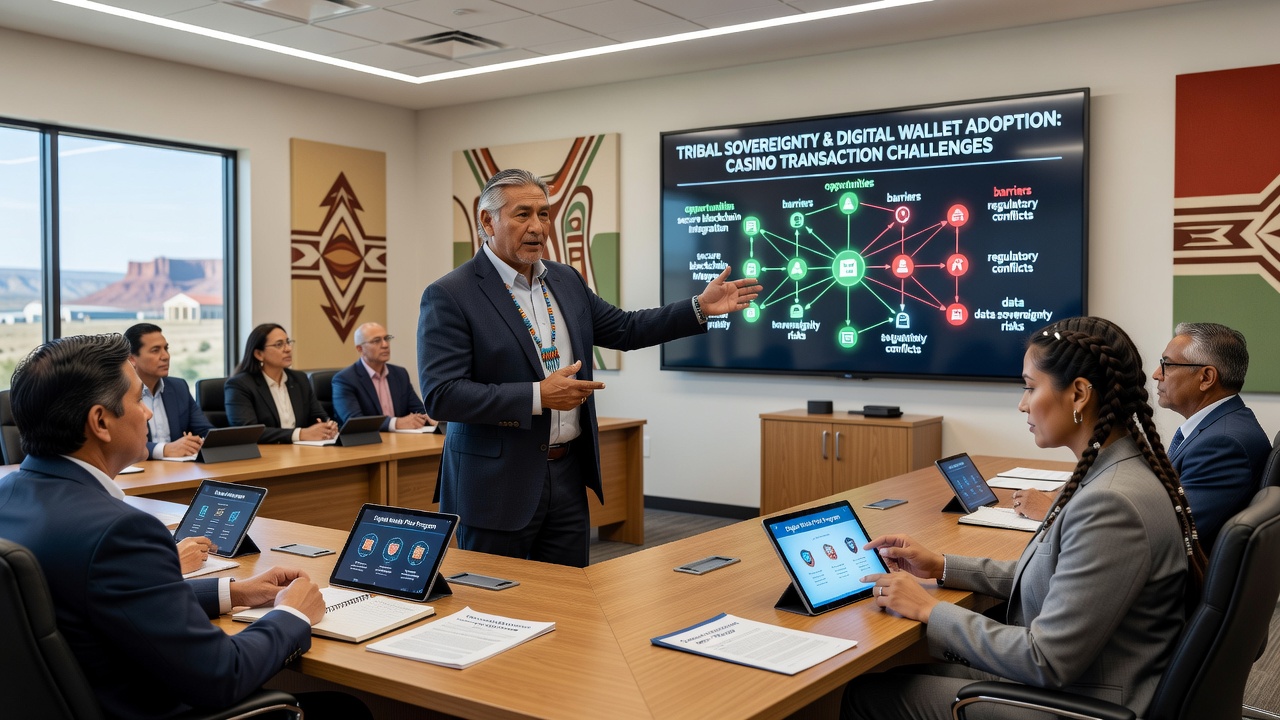
Indian Gaming Regulatory Act provisions establish that tribes retain primary regulatory control over gaming on their lands, yet transactions involving digital wallets often trigger compliance with federal statutes such as the Bank Secrecy Act and the USA PATRIOT Act. Researchers at the University of Arizona Indigenous Governance Program documented that these overlapping jurisdictions create friction points around data sharing and anti-money laundering protocols. Tribes must determine whether wallet providers fall under tribal jurisdiction or must register with federal agencies, and this determination affects how player funds move between accounts.
State-tribal gaming compacts add another layer, since many agreements reference payment processing standards that originated before widespread digital wallet use. Observers note that updates to these compacts in states like California and Oklahoma have begun addressing electronic transfers, although implementation timelines vary widely. As of June 2026 several tribes continue negotiations to align compact language with emerging wallet technologies while preserving sovereign decision-making authority.
Technical and Security Integration Issues
Digital wallet systems demand secure application programming interfaces that connect tribal casino management systems to external payment processors. Cybersecurity requirements outlined by the National Institute of Standards and Technology create additional compliance burdens for tribal IT departments that operate under limited budgets compared with commercial casino chains. One study released by the Indigenous Technology Research Institute found that 67 percent of surveyed tribal gaming operations cited API compatibility as their primary technical barrier.
Authentication protocols also raise sovereignty questions because many wallets rely on centralized identity verification services. Tribal governments have explored developing their own verification frameworks that respect tribal membership records and data sovereignty principles. These efforts require substantial investment in encryption standards and server infrastructure located on tribal land.
Financial Oversight and Revenue Distribution
Revenue sharing formulas embedded in many compacts calculate payments to state governments based on gross gaming revenue, and digital wallet transactions must be tracked with the same precision as cash or chip play. The National Indian Gaming Association reported that discrepancies in transaction reporting led to disputes in at least three compact renewals during 2025. Accurate reconciliation becomes more complex when wallets allow instant deposits and withdrawals across multiple devices.
Tribal finance officers must also consider how wallet fees affect net revenue available for community programs. Because tribes direct gaming proceeds toward education, health care, and infrastructure under federal law, any reduction in available funds carries direct consequences for tribal citizens. Negotiations with wallet providers therefore focus on fee structures that preserve tribal revenue streams.
Case Examples From Operating Tribes
Facilities operated by the Mashantucket Pequot Tribal Nation in Connecticut have tested wallet integration through partnerships with regional banks that already maintain relationships with tribal enterprises. These pilots demonstrated reduced cash handling costs while maintaining compliance with both federal and tribal auditing standards. Similar initiatives at properties in Washington state have incorporated biometric verification methods approved by tribal gaming commissions.
Meanwhile, tribes in Arizona encountered delays when state regulators requested access to transaction logs stored on servers outside tribal jurisdiction. Resolution required revised data-sharing agreements that limit state review to aggregate figures rather than individual player records. Such arrangements illustrate ongoing efforts to balance transparency demands with sovereign control over sensitive information.
Future Developments and Regulatory Trends
Legislative proposals introduced in Congress during the 2025 session seek to clarify federal recognition of tribal digital payment systems, which could streamline adoption across multiple jurisdictions. Industry analysts project that by late 2027 roughly 40 percent of tribal casinos will offer at least one digital wallet option, driven by younger demographics and post-pandemic contactless preferences.
Training programs developed by the Tribal Gaming Protection Network emphasize staff education on both technical operations and legal boundaries. These initiatives aim to reduce implementation errors that previously triggered enforcement actions from federal agencies. Continued collaboration between tribal regulators, technology vendors, and federal banking authorities remains essential for sustainable progress.
Conclusion
Tribal sovereignty continues to shape every stage of digital wallet adoption in casino environments, from compact negotiations to data storage decisions. Research indicates that successful implementations preserve tribal authority while satisfying external compliance standards. As more nations complete pilot programs, documented outcomes will inform broader strategies across Indian Country.