State-by-State Breakdown of Slot Algorithm Compliance Measures in Legal US Gaming Markets
Harper Neumann · Jul 22, 2026
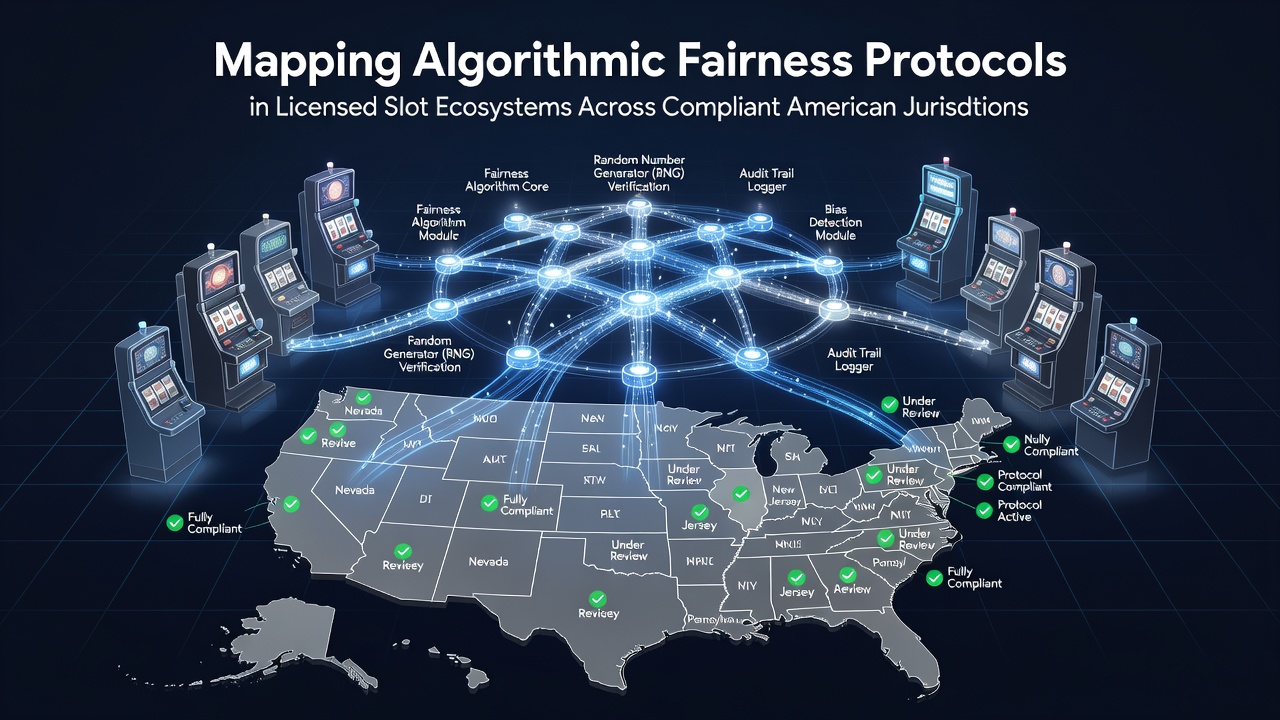
State-by-State Breakdown of Slot Algorithm Compliance Measures in Legal US Gaming Markets
Regulators in compliant American jurisdictions maintain detailed frameworks that govern how slot operators implement and verify algorithmic fairness, with each state layering its own testing requirements onto core technical standards that random number generators must satisfy before machines reach casino floors or online platforms. These protocols typically begin with independent laboratory certification of return-to-player percentages and statistical randomness, while operators submit source code and payout tables for review prior to any deployment.
Nevada and New Jersey have long served as benchmarks where the Nevada Gaming Control Board and the New Jersey Division of Gaming Enforcement require quarterly audits of live slot data streams, yet newer entrants such as Pennsylvania and Michigan have adapted similar models with added emphasis on real-time monitoring dashboards that flag deviations exceeding defined variance thresholds. In July 2026 several states updated their submission portals to accept encrypted algorithm packages directly from certified labs, shortening approval timelines without relaxing statistical sampling sizes that must reach at least one million spins per title.
Core Technical Elements Shared Across Jurisdictions
Every licensed market insists that random number generators pass chi-square and runs tests administered by approved third-party facilities, and these facilities also evaluate near-miss frequencies to confirm they align with advertised hit rates rather than artificially inflating player engagement. Payout percentages are locked at the code level once certification is granted, after which any modification triggers a fresh review cycle that includes both regression testing and field trials on a limited number of terminals.
Multi-state operators therefore maintain centralized compliance teams that track each jurisdiction's unique documentation templates, because a single code change can require separate filings in up to eight different regulatory offices. Data from the American Gaming Association shows that certified slot titles now undergo an average of 14 distinct audit checkpoints before they appear in more than one state simultaneously.
Regional Variations in Documentation and Monitoring
States west of the Mississippi often prioritize hardware-level encryption and physical security seals on slot cabinets, whereas East Coast regulators place heavier weight on server-based monitoring that streams outcome logs to state databases every twenty-four hours. Michigan, for instance, mandates that all online slot sessions generate immutable audit trails stored for a minimum of five years, while Illinois focuses on periodic mystery audits where regulators seize random machines from casino floors for unannounced verification.
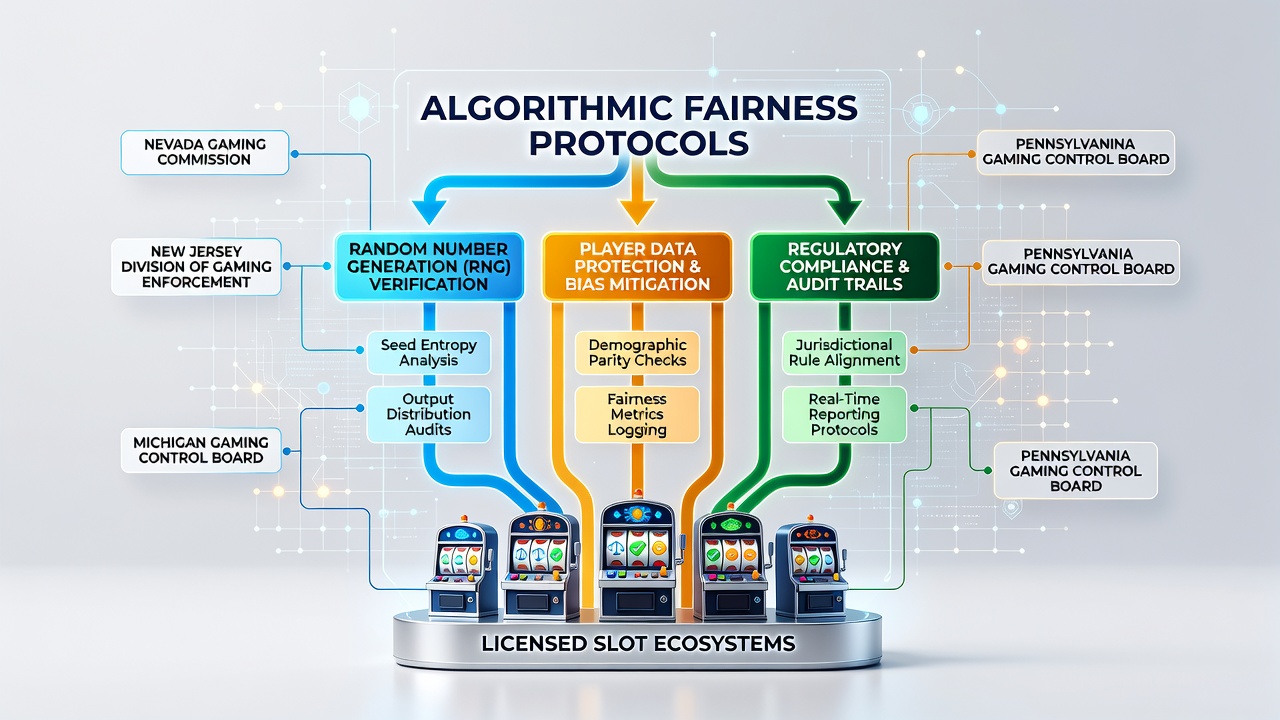
These differences create operational complexity for platforms that serve players across state lines, since the same game title may carry slightly different certified RTP values or display requirements depending on the player's location. Observers note that July 2026 saw the first coordinated data-sharing agreement between Pennsylvania and New Jersey that allows each commission to cross-reference live performance metrics when a title operates in both markets under the same operator license.
Role of Independent Testing Laboratories
Laboratories accredited under ISO 17025 standards perform the majority of initial certifications, and their reports must accompany every new or updated slot release submitted to state regulators. These labs also conduct ongoing surveillance by re-testing a statistical sample of titles each calendar quarter, checking whether actual outcomes continue to match certified parameters within acceptable confidence intervals. Because the labs operate under contracts that rotate every two to three years, operators cannot rely on long-term relationships to ease scrutiny.
Research from the National Center for Responsible Gaming indicates that jurisdictions requiring annual re-certification rather than biennial reviews record fewer player complaints related to perceived game integrity, although the cost differential remains modest once amortized across thousands of active titles. The process further incorporates player-facing disclosures such as help-screen RTP percentages that must match the certified figures exactly.
Emerging Trends in Multi-Jurisdictional Oversight
By mid-2026 several tribal-state compacts had incorporated language requiring algorithmic fairness reports to be shared with both state and tribal regulators, creating parallel review tracks that must be reconciled before machines can be activated on tribal lands located within state borders. This dual-track model has prompted the development of standardized data schemas that allow automated comparison of outcome distributions across different oversight bodies.
Industry associations such as the Association of Gaming Equipment Manufacturers have published voluntary guidelines that encourage consistent formatting of audit packages, yet adoption remains uneven because some states still insist on proprietary submission portals. Those who have studied these systems note that convergence around common data formats could reduce administrative overhead by up to thirty percent within the next two years.
Conclusion
Mapping algorithmic fairness protocols reveals a patchwork of requirements that nevertheless share fundamental commitments to statistical validation, independent testing, and ongoing surveillance. As more jurisdictions enter the regulated market and existing ones refine their digital submission processes, operators continue to adapt centralized compliance infrastructures that accommodate both shared technical standards and state-specific documentation demands. The result is an evolving ecosystem in which certified slot titles maintain consistent integrity measures regardless of where they are deployed.