Shifts in Loyalty and Bonus Structures Within Multi-Jurisdictional Gambling Operations
Olivia Jung · May 18, 2026
Shifts in Loyalty and Bonus Structures Within Multi-Jurisdictional Gambling Operations
Multi-jurisdictional gaming networks now operate across state lines and national borders where reward systems must adjust to varying rules on bonuses, loyalty tiers, and player incentives. Operators in places like New Jersey, Pennsylvania, and Michigan coordinate programs that comply with each region's distinct requirements while maintaining consistent player experiences, and data from May 2026 shows continued expansion in these cross-border setups as more states finalize online gaming legislation.
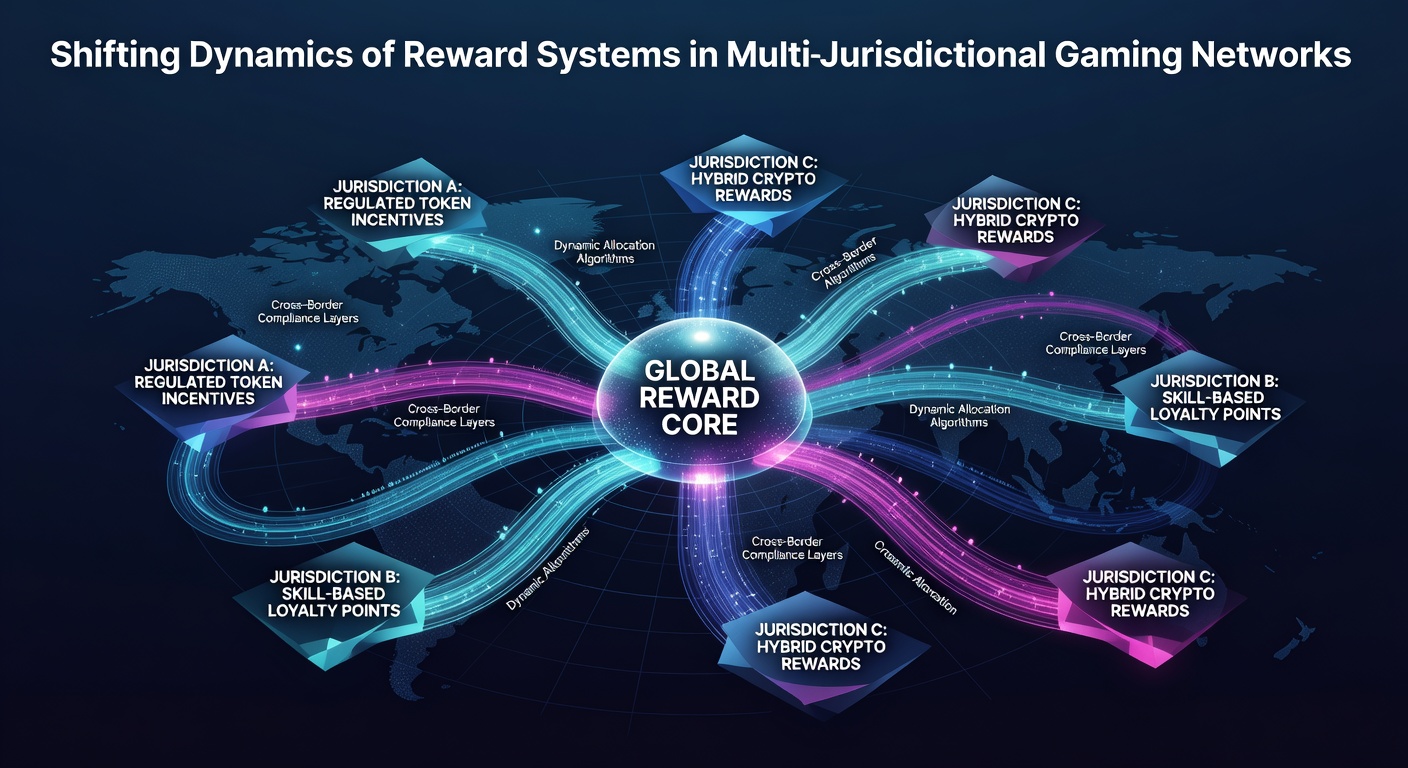
Regulatory differences create the core challenge because one jurisdiction might cap bonus percentages at certain levels while another permits higher-value promotions tied to specific game types. Those who've studied this landscape note that operators often segment rewards into region-specific pools, allowing a player in one state to earn points redeemable only within approved games or operators licensed there.
Regulatory Compliance Driving Program Design
Compliance teams review every reward offer against local statutes before rollout, and this process has grown more intricate as networks span additional markets. Research from industry reports indicates that operators allocate substantial resources to automated compliance tools that flag potential violations in real time, particularly when promotions cross into areas with strict advertising or deposit bonus restrictions. What's interesting is how these systems now incorporate jurisdictional tagging so that a single loyalty platform can deliver tailored offers without manual intervention for each player location.
Take one major operator active in multiple US states that adjusted its VIP structure in early 2026 to separate cashback rates based on each license holder's rules. Players in regulated markets receive credits that align with local taxation guidelines, whereas those accessing through international partnerships see different redemption windows to match currency and banking laws in their regions. Observers note that such segmentation reduces legal exposure while preserving engagement metrics across the network.
Technology Enabling Cross-Border Reward Tracking
Advanced player management systems track activity across borders through unified databases that respect data localization rules in each jurisdiction. These platforms pull real-time information on wagers, deposits, and redemptions, then apply jurisdiction-specific multipliers or expiration rules automatically. According to figures from the American Gaming Association, networks using integrated tracking saw a 15 percent rise in active loyalty accounts during the first quarter of 2026 compared to fragmented systems.
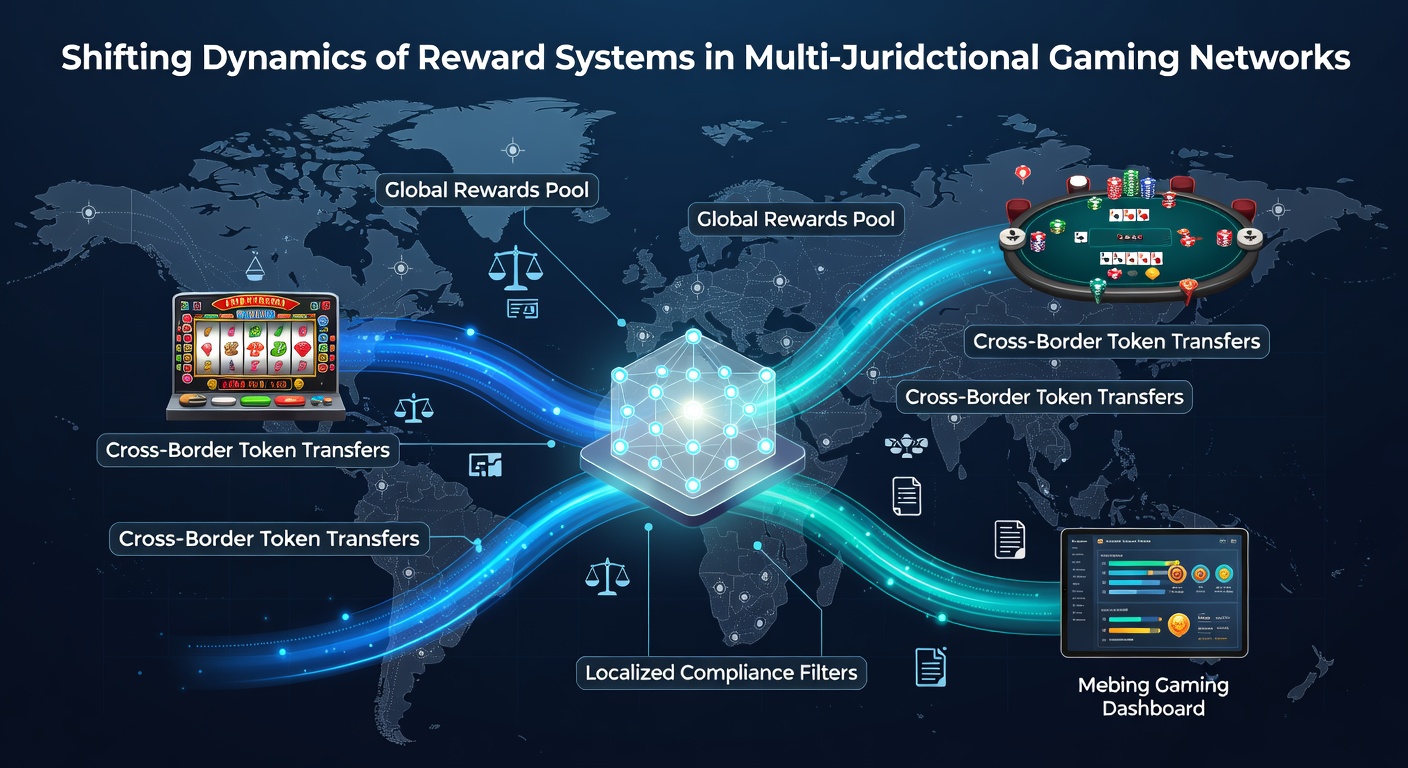
But here's the thing: the same technology that streamlines operations also opens doors for more personalized incentives. Machine learning models analyze play patterns while factoring in regional preferences, such as higher emphasis on table game rewards in certain markets versus slot-focused bonuses elsewhere. Experts have observed that operators testing these adaptive models report steadier retention rates because offers feel more relevant without breaching any single set of rules.
Player Behavior Patterns Across Jurisdictions
Studies from academic research groups reveal distinct behavioral differences among players who engage with multi-jurisdictional networks. Those in mature markets like New Jersey tend to favor tiered loyalty programs with milestone bonuses, while participants in newer regulated states show stronger responses to deposit-match offers tied to specific game categories. Data indicates that networks offering seamless point portability between approved operators experience higher cross-state play volumes, particularly during promotional periods that run concurrently across borders.
One case where experts tracked a Canadian-based operator expanding into US partnerships found that aligning reward currencies required new exchange protocols to handle fluctuating values without creating unfair advantages. Players could transfer loyalty status but faced adjusted earning rates to reflect each market's average wager sizes and game contributions. This approach maintained fairness while complying with both countries' financial reporting standards.
Emerging Trends in Reward Innovation
Networks continue experimenting with hybrid rewards that blend traditional points with digital assets compliant under varying cryptocurrency regulations. In May 2026 several platforms introduced limited-time offers where players earn tokens redeemable for tournament entries or merchandise, yet these remain restricted to jurisdictions that explicitly permit such mechanics. Industry organizations like the European Gaming and Betting Association have published guidelines helping operators navigate these additions without disrupting existing structures.
Turns out the most successful adaptations come from operators who involve legal teams early in the design phase rather than retrofitting programs after launch. This proactive stance allows networks to roll out region-locked features that feel consistent to players while satisfying disparate oversight bodies. Evidence suggests that such foresight correlates with smoother audits and fewer corrective actions across the board.
Conclusion
Multi-jurisdictional gaming networks face ongoing pressure to refine reward systems that satisfy diverse legal frameworks while supporting player engagement. Operators rely on technology, segmented program design, and cross-border coordination to deliver incentives that respect each market's boundaries. As additional regions establish online gaming rules, these dynamics will likely evolve further with emphasis on compliance automation and data-driven personalization that respects all applicable regulations.