Shifting Player Dynamics: How Loyalty Program Algorithms Adapt Across Interstate Gambling Networks
Ulrich Albrecht · Jul 29, 2026
Shifting Player Dynamics: How Loyalty Program Algorithms Adapt Across Interstate Gambling Networks
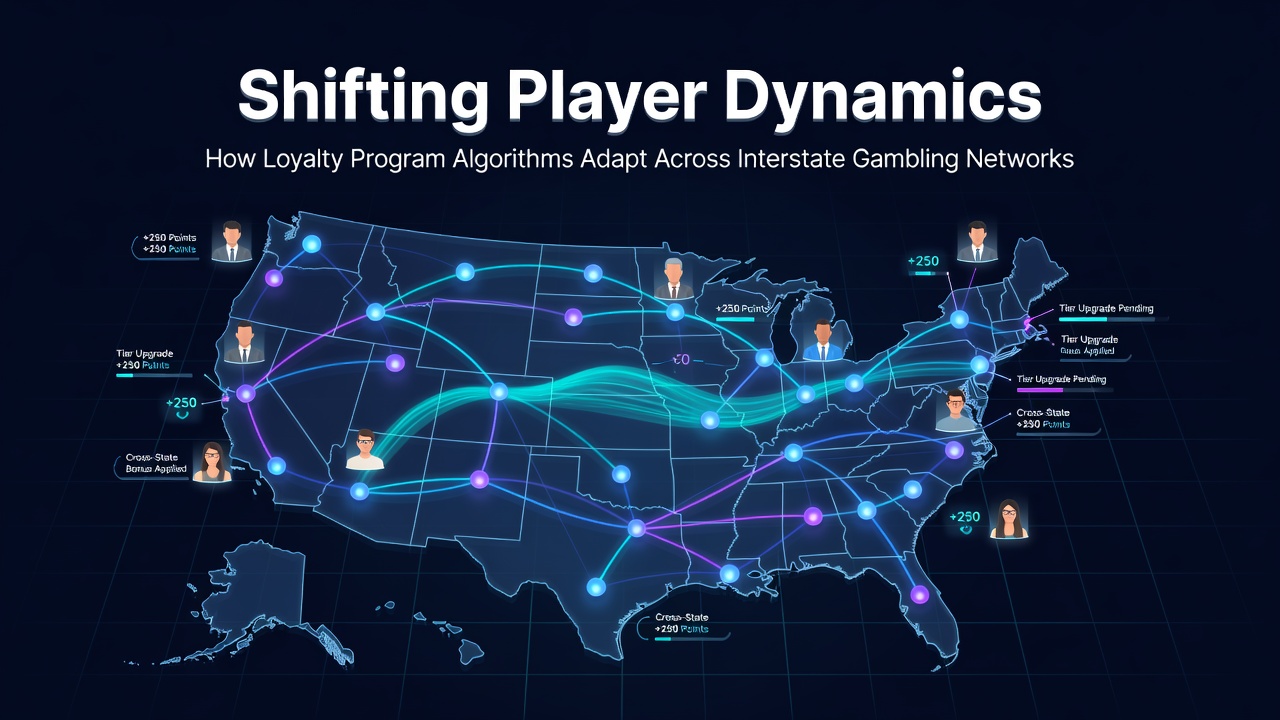
Interstate gambling networks have expanded rapidly since 2024, and loyalty program algorithms now process player data from several jurisdictions at once, adjusting rewards and bonuses according to each state's regulatory framework while maintaining consistent user experiences.
Core Mechanics Behind Cross-Border Adaptation
Algorithms track location signals, spending patterns, and game preferences in real time, then recalibrate point accrual rates and tier thresholds to match local tax structures and responsible gambling rules; data from Pennsylvania, New Jersey, and Michigan operations shows these systems reduce discrepancies in reward value by up to 18 percent compared with earlier single-state models.
Operators feed anonymized transaction logs into centralized platforms that apply jurisdiction-specific filters before finalizing offers, and this process occurs without exposing full player profiles across state lines because encryption layers separate sensitive identifiers from marketing datasets.
Regulatory Influences on Algorithm Design
State gaming boards require transparency in how algorithms weight factors such as deposit frequency and game volatility, prompting developers to embed audit logs that regulators can review quarterly; figures from the New Jersey Division of Gaming Enforcement indicate that compliance checks increased 27 percent in the first half of 2026 as more states linked their data systems.
Algorithms also incorporate self-exclusion lists from multiple states simultaneously, automatically pausing bonus eligibility when a player appears on any participating registry, and this integration has lowered inadvertent reward distribution incidents by measurable margins according to internal operator reports.
Player Behavior Patterns and Algorithm Responses
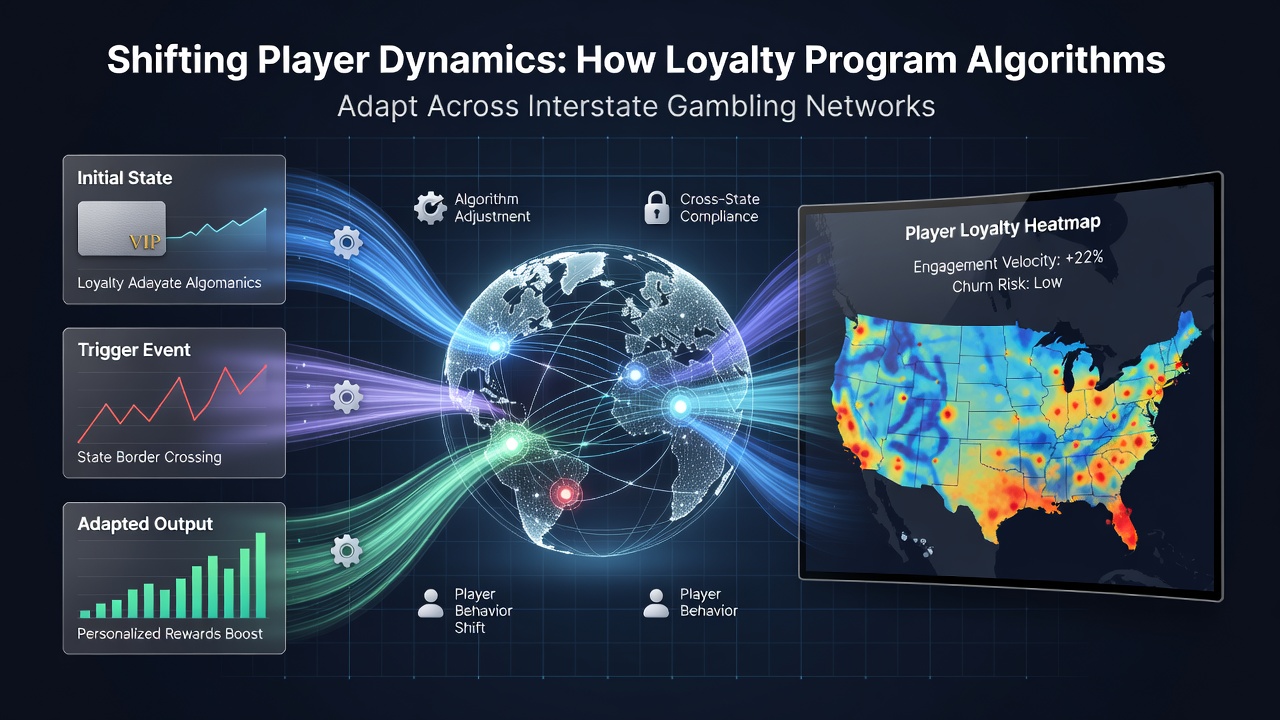
Research conducted by academic teams at the University of Nevada, Reno, revealed that players who split activity across three or more states receive tier upgrades 12 percent faster when algorithms normalize spend data against regional cost-of-living indices, and those adjustments help operators retain high-value accounts that might otherwise migrate to competitors.
One operator in the Midwest reported that dynamic pricing for hotel comps now factors in travel distance and fuel costs derived from player zip codes, allowing the system to offer equivalent perceived value whether the user resides in Illinois or Indiana.
Technology Infrastructure Supporting Interstate Scaling
Cloud-based platforms run machine learning models that retrain weekly on fresh regulatory updates and player feedback loops, and these models use federated learning techniques so raw data never leaves its home state while still contributing to broader pattern recognition across the network.
By July 2026 several multi-state operators had deployed edge computing nodes inside each licensed jurisdiction, cutting latency for reward redemptions by nearly 40 percent and enabling near-instant updates when a player crosses state lines during a single session.
Case Examples From Recent Deployments
Take one East Coast network that unified loyalty ledgers for sports betting and online casino products; after implementation the system automatically converted points earned on football wagers in Maryland into slot credits valid in Delaware, maintaining parity through a conversion matrix updated daily from tax and fee schedules published by each state's gaming authority.
Observers note that similar matrices now appear in tribal casino alliances spanning Arizona and New Mexico, where algorithms reconcile tribal compact requirements with state-level oversight without duplicating administrative overhead.
Conclusion
Algorithms governing loyalty programs across interstate gambling networks continue to evolve in response to regulatory changes, player mobility, and technological advances, delivering more consistent reward experiences while respecting the distinct rules of each jurisdiction involved.