Midwest Tribal Gaming Operators Build Cross-Border Ties to Strengthen Real-Money Slot Offerings
Ulrich Albrecht · Aug 24, 2026
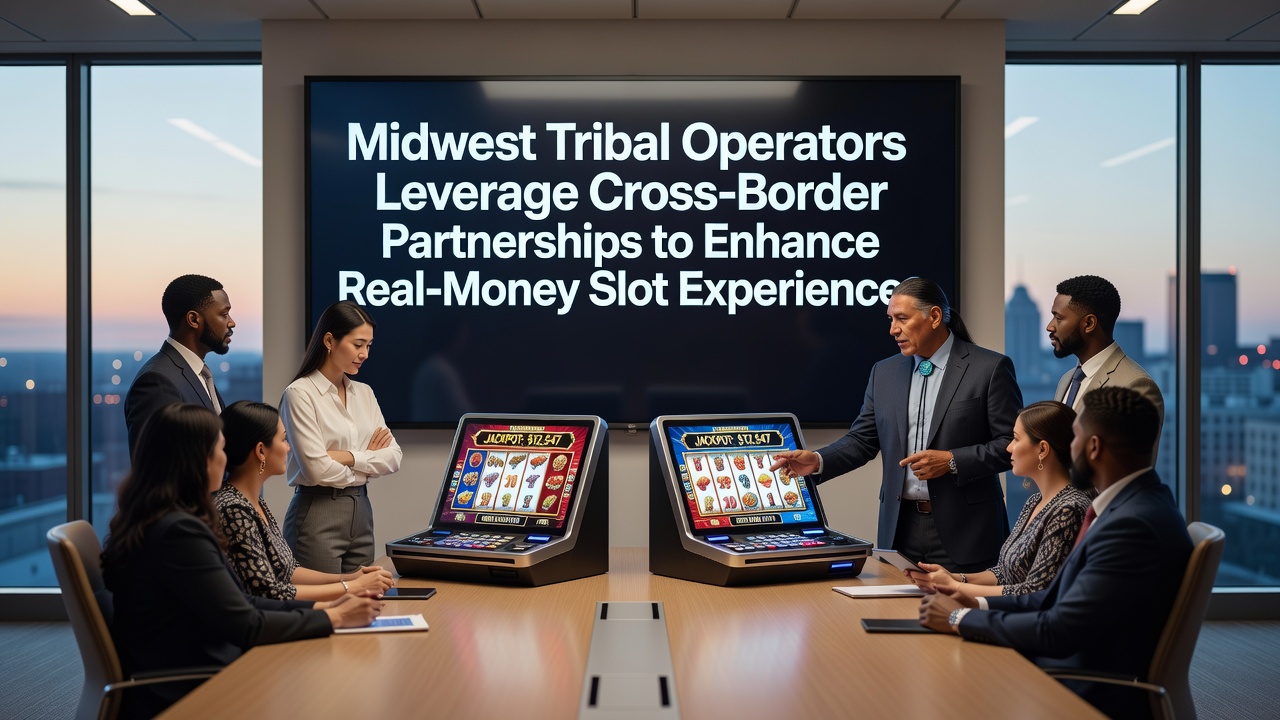
Midwest Tribal Gaming Operators Build Cross-Border Ties to Strengthen Real-Money Slot Offerings
Data from the National Indian Gaming Commission shows that tribal operators across Minnesota, Wisconsin, and Michigan reported combined slot revenues exceeding $4.8 billion in fiscal year 2025, with cross-border agreements contributing to equipment upgrades and game variety that began rolling out earlier in 2026. These partnerships often connect tribes with Canadian suppliers and regulatory frameworks, allowing shared access to certified random number generators and progressive jackpot networks that span the border.
Background on Midwest Tribal Operations
Observers note that tribes in the region operate under the Indian Gaming Regulatory Act while navigating state compacts that differ from province-level rules in Ontario and Manitoba. Several operators signed memoranda of understanding in late 2025 that facilitated technology transfers, and by August 2026 at least four facilities had integrated new slot cabinets sourced through Canadian manufacturers. These cabinets feature updated math models approved by both U.S. tribal gaming commissions and the Alcohol adn Gaming Commission of Ontario, reducing certification timelines from nine months to roughly five.
Mechanics of Cross-Border Partnerships
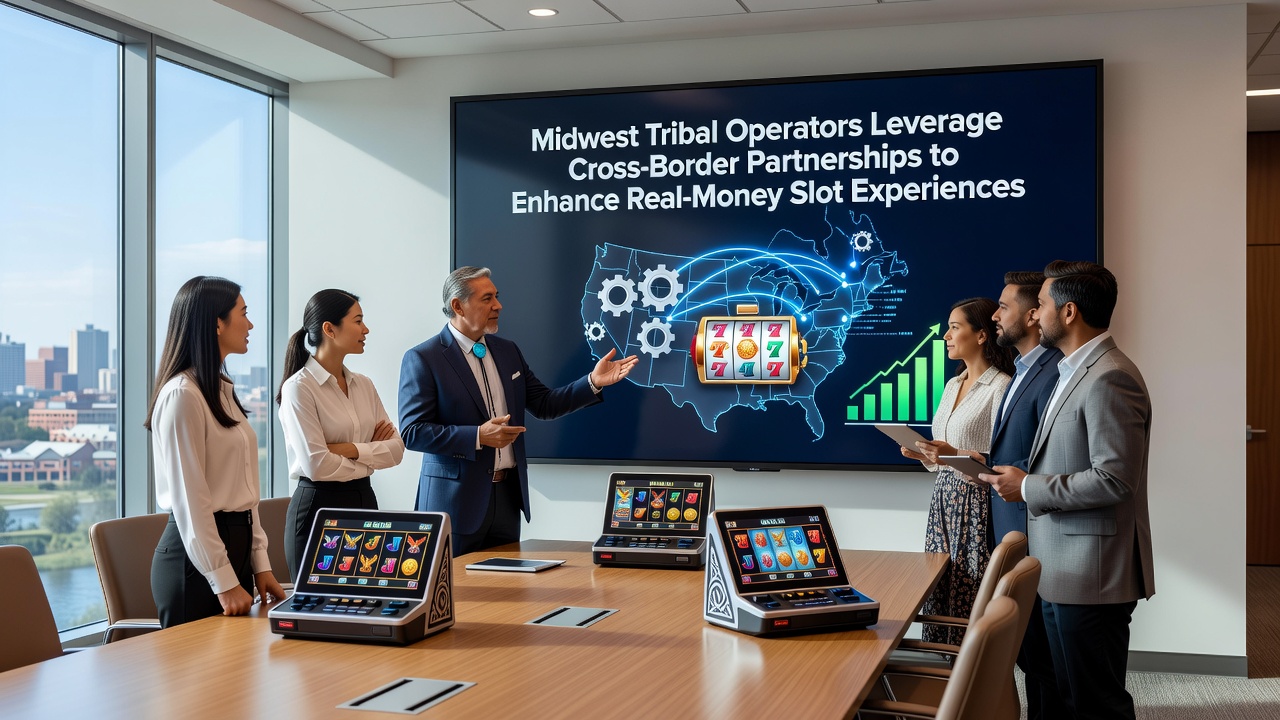
Partnership structures typically involve joint procurement of hardware, shared player loyalty databases compliant with data-protection statutes on both sides of the border, and co-branded progressive systems. One documented agreement between a Minnesota-based tribe and an Ontario gaming technology firm allows real-time linkage of slot progressives, so that a single jackpot can grow from wagers placed at facilities in both jurisdictions. Figures released by the Midwest Tribal Gaming Alliance indicate that such linked systems increased average slot hold percentages by 1.2 points during the first two quarters of 2026 while maintaining regulatory payout thresholds.
Regulatory and Technical Considerations
Regulatory bodies require that all slot software undergo independent testing before deployment. Cross-border deals therefore incorporate dual certification processes that reference both the Gaming Laboratories International standards used in many U.S. states and the Registrar of the Alcohol and Gaming Commission of Ontario guidelines. Data indicates that tribes participating in these arrangements reduced testing duplication costs by an average of 28 percent, according to a 2026 industry report prepared by the University of Nevada, Reno Center for Gaming Research. Network security protocols also align with Payment Card Industry standards, and operators must maintain separate audit trails for each jurisdiction to satisfy money-laundering reporting requirements.
Impact on Player Experiences and Revenue Streams
Slot floors at participating properties added titles that were previously unavailable because of licensing restrictions or hardware shortages. Players now encounter more frequent updates to game libraries, and linked progressive meters display larger prize pools that accumulate across borders. Revenue data compiled by state gaming control boards shows that facilities with active cross-border agreements posted year-over-year slot win increases between 6.4 and 9.1 percent through July 2026. Those gains occurred alongside stable or slightly declining attendance figures, suggesting higher per-visit spending on the enhanced machines.
Case Examples from the Region
Take one Wisconsin tribe that partnered with a Manitoba-based supplier in early 2026; the arrangement introduced 180 new slot terminals equipped with skill-based bonus rounds certified for both markets. Another Michigan operator joined a multi-site progressive network that now includes two Ontario casinos, resulting in a recorded jackpot payout of $2.3 million in June 2026 that drew participants from both countries. Observers point out that these examples illustrate how cross-border linkages expand game libraries without requiring each tribe to negotiate separate supplier contracts.
Challenges and Ongoing Adjustments
Currency conversion, tax withholding differences, and varying responsible-gaming messaging requirements continue to demand operational attention. Operators address these through centralized compliance teams that issue region-specific player disclosures at the machine level. Research published by the Canadian Centre for Gaming Research in 2025 found that synchronized responsible-gaming pop-ups across linked systems reduced self-exclusion conflicts by 14 percent compared with standalone implementations. Tribes also coordinate marketing calendars so that promotional offers comply with advertising rules in each jurisdiction.
Conclusion
Cross-border partnerships have become a documented mechanism through which Midwest tribal operators access broader slot portfolios, shared jackpots, and streamlined certification pathways. Revenue figures and regulatory filings through August 2026 confirm measurable expansions in game availability and linked prize pools. As additional tribes evaluate similar arrangements, the pattern of technology and regulatory coordination between U.S. tribal lands and Canadian provinces is expected to continue shaping slot offerings in the region.