Interstate Regulatory Divergence Shapes Player Reward Structures in Multi-State Gaming Markets
Ulrich Albrecht · Jul 27, 2026
Interstate Regulatory Divergence Shapes Player Reward Structures in Multi-State Gaming Markets
State gaming statutes create distinct frameworks that directly influence how operators design and deploy player incentives when expanding across jurisdictional boundaries. Regulatory language on bonus caps, loyalty point accrual, and promotional funding sources varies sharply from one state to the next, forcing multi-state platforms to segment their reward mechanics rather than apply uniform national programs. Observers note that these differences emerge most clearly in the treatment of free-play credits and deposit-match offers. Some jurisdictions impose strict percentage limits tied to theoretical loss calculations while neighboring states permit broader discretionary funding provided operators maintain segregated promotional accounts.Statutory Language on Promotional Funding Creates Operational Segmentation
Operators managing platforms in both Pennsylvania and New Jersey must reconcile Pennsylvania's requirement that promotional dollars derive exclusively from gaming revenue with New Jersey's allowance for broader marketing budgets. This distinction compels separate accounting ledgers and distinct player-facing terms even when the same loyalty tier structure appears across both markets. Data from the American Gaming Association shows that such segmentation increases compliance overhead by an average of 18 percent for operators spanning three or more states.
Similar friction surfaces in the treatment of tournament entry incentives. Michigan statutes classify certain satellite tournament tickets as promotional items subject to specific tax treatment, whereas Indiana treats equivalent mechanisms as player loyalty expenditures exempt from that classification. Platforms therefore adjust qualification thresholds and prize pools on a per-state basis to remain aligned with each regulatory definition.
Cross-Border Data Sharing Rules Affect Loyalty Point Portability
State privacy and data retention mandates intersect with incentive programs when operators attempt to allow point transfers or unified wallets. California tribal compacts, for instance, impose stricter consent protocols for sharing player activity data than those required under commercial gaming licenses in West Virginia. As a result, players maintaining accounts in both jurisdictions encounter fragmented point balances and separate redemption catalogs rather than seamless cross-state portability.
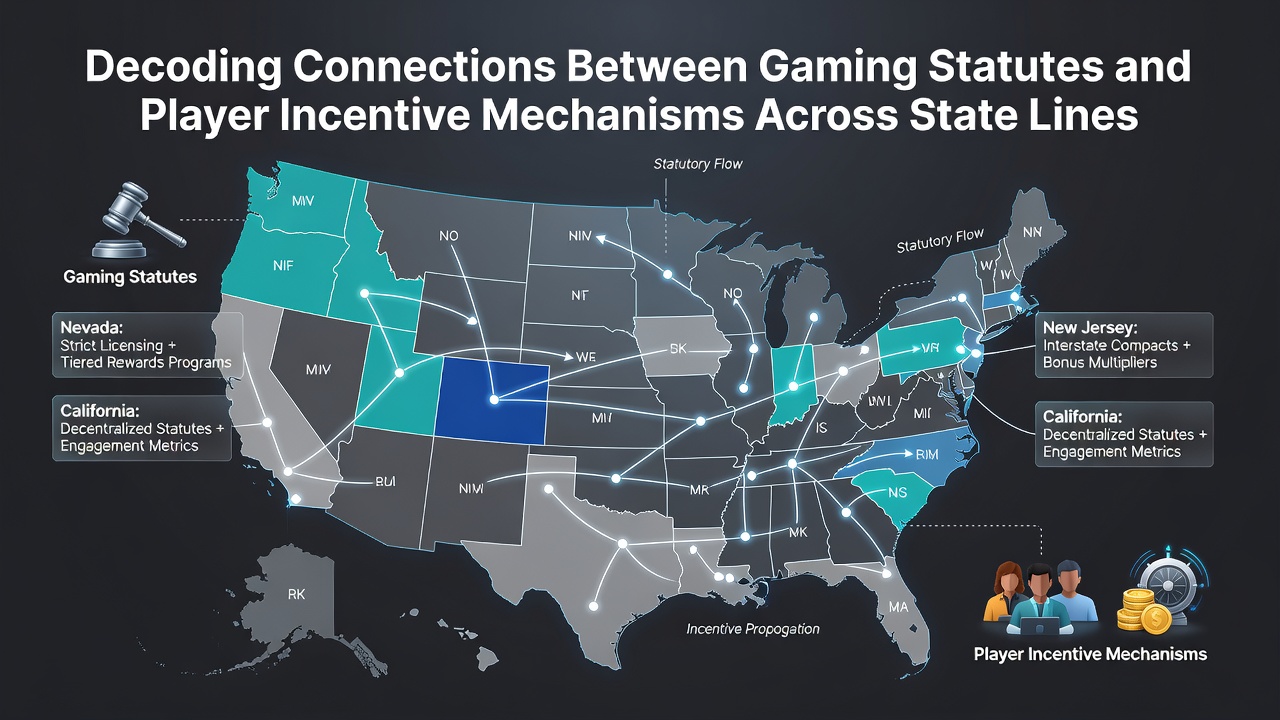
July 2026 saw several platforms announce updated terms that explicitly disclose these jurisdictional limits following enforcement actions in two Midwestern states. The adjustments illustrate how statutory language on data localization continues to shape the practical reach of reward mechanisms.
Tax Treatment of Player Incentives Drives Structural Differences
States diverge on whether loyalty points or bonus credits constitute taxable winnings at the moment of redemption or only upon conversion to cash. This distinction alters how operators structure tiered rewards and cashback percentages. In jurisdictions applying immediate taxation, platforms often reduce visible point values and instead emphasize non-cash experiential perks to maintain perceived value without triggering reporting thresholds. Neighboring states that defer taxation until cashout permit more aggressive point-to-cash conversion rates.
One study released by researchers at the University of Nevada, Las Vegas Center for Gaming Research tracked how these tax alignments correlate with player retention metrics across state lines. Findings revealed measurable differences in repeat engagement when operators offered identical nominal rewards under varying tax regimes.
Conclusion
State gaming statutes establish the boundaries within which player incentive mechanisms operate, and those boundaries shift materially across state lines. Multi-jurisdictional operators respond by maintaining segmented program architectures, separate funding pools, and jurisdiction-specific disclosures rather than pursuing uniform national offerings. Regulatory updates continue to refine these parameters, requiring ongoing adjustments to reward structures that reflect each state's statutory definitions of promotional activity, data handling, and tax treatment.