Digital Payment Advances Reshaping Loyalty Rewards in Multi-State Gaming Networks
Casey Washington · Aug 26, 2026
Digital Payment Advances Reshaping Loyalty Rewards in Multi-State Gaming Networks
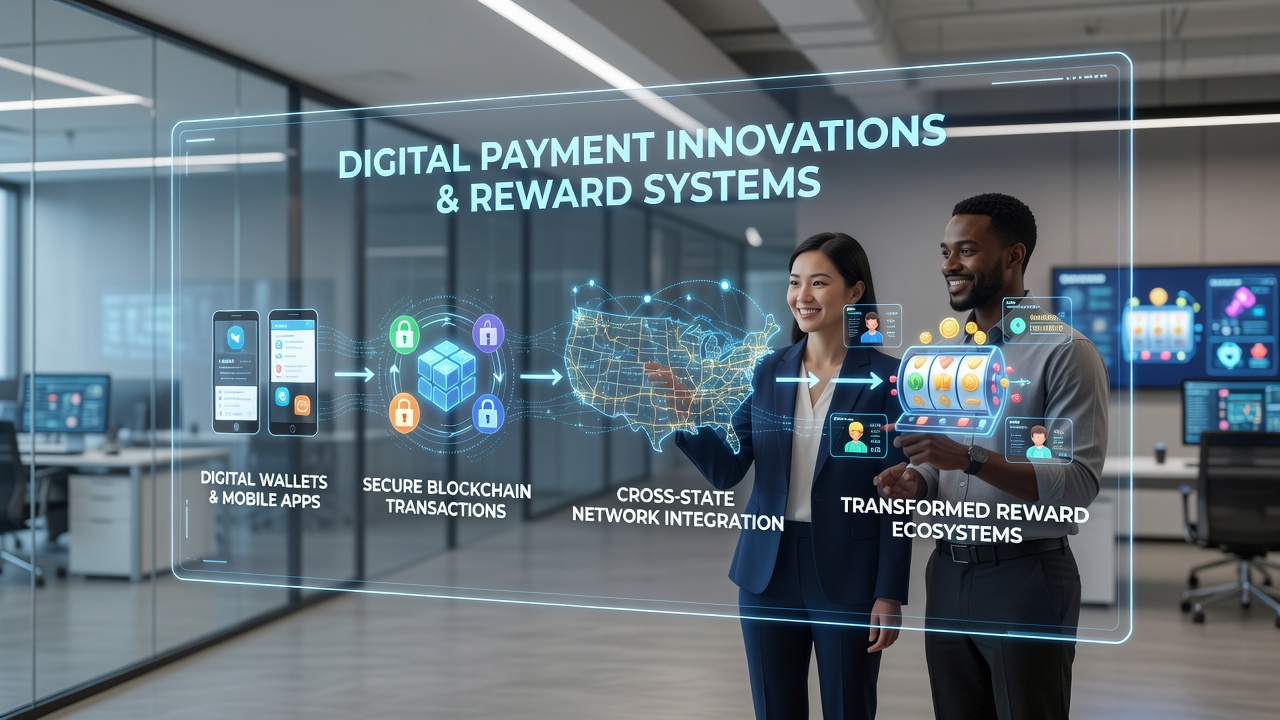
Payment platforms now integrate directly with casino management systems in multiple jurisdictions, allowing points earned in one state to transfer instantly to accounts in another while digital wallets handle deposits and withdrawals without traditional banking delays. Data from industry reports indicate that such connections grew by 28 percent between 2024 and 2026 as more operators joined interstate compacts.
Operators in states like Pennsylvania, New Jersey, and Michigan use APIs from services including PayPal and Apple Pay to track player activity across borders, then adjust reward tiers based on combined play volume rather than isolated sessions. This approach reduces the fragmentation that once limited bonus eligibility when users crossed state lines.
Integration of Mobile Wallets With Existing Loyalty Platforms
Many gaming networks adopted mobile wallet features that link directly to player loyalty cards, so a deposit made through a digital payment method automatically credits bonus points calculated on real-time exchange rates between different state reward currencies. Observers note that these systems cut processing times from days to seconds, which encourages higher engagement rates during multi-state travel periods.
One example involves a platform that serves both East Coast and Midwest markets where users receive tiered cashback offers calculated from total spend across sites, with the calculation engine pulling data from the wallet provider's transaction logs. Figures released in August 2026 showed average reward redemption rates rising 19 percent in networks that implemented these wallet connections compared with those relying on legacy bank transfers.
Data Sharing Protocols Across Jurisdictions
Regulatory frameworks require operators to share anonymized transaction data when players move between licensed states, and digital payment companies supply the standardized feeds that make such sharing practical. Researchers at academic centers studying gaming technology found that these protocols help prevent duplicate bonus claims while still allowing seamless accumulation of loyalty points.
Payment processors embed compliance checks into their APIs so that reward eligibility rules from each participating jurisdiction apply automatically based on the user's verified location at the time of play. This automation replaces manual reviews that previously slowed cross-state reward processing.
Real-Time Personalization Driven by Transaction Streams
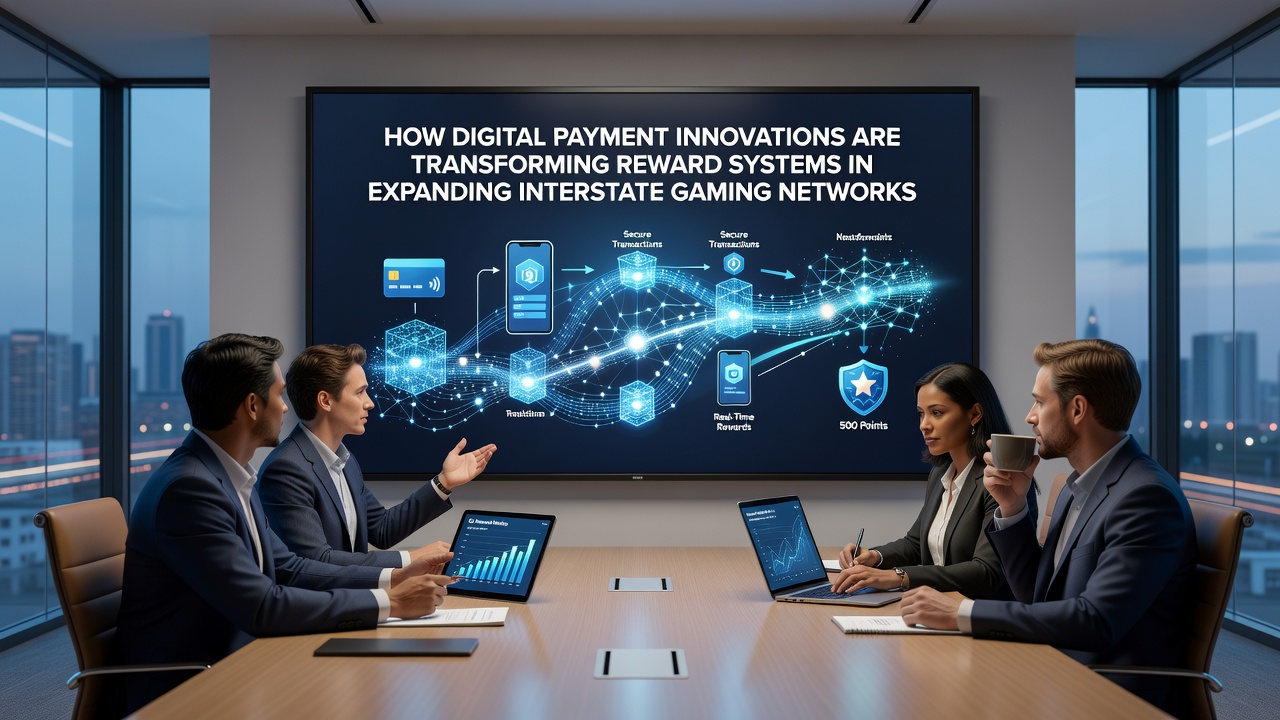
Continuous feeds from digital payment accounts enable operators to generate personalized reward offers within minutes of a deposit, using spending patterns to predict which bonuses will appeal most to individual players. Those who have reviewed transaction datasets note that payment method choice often correlates with preferred game types, allowing targeted promotions that increase retention across network partners.
In one documented rollout, a multi-state operator combined wallet data with historical play records to offer instant free-play credits scaled to recent deposit sizes, and redemption rates exceeded prior benchmarks by measurable margins. Such personalization relies on secure tokenization that keeps full financial details off casino servers while still supporting accurate reward calculations.
Security Measures Supporting Expanded Networks
Encryption standards built into modern digital payment tools meet or exceed requirements set by state gaming control boards, which reduces fraud risks that could otherwise disrupt reward point integrity. Industry associations report that networks using these tools experienced fewer chargeback disputes in the first half of 2026 than comparable systems limited to traditional card processing.
Multi-factor authentication tied to the payment app itself adds another verification layer before points transfer between accounts, and this step occurs without requiring players to re-enter casino login credentials each time they switch platforms. The result maintains continuity of loyalty progress even as users navigate different state regulatory environments.
Conclusion
Digital payment innovations continue to supply the infrastructure that allows reward systems to operate smoothly across expanding interstate gaming networks. Transaction data, compliance tools, and instant transfer capabilities together create unified loyalty experiences that adapt to player movement between jurisdictions. As more states finalize participation agreements, the same payment frameworks stand ready to support further growth in cross-border reward structures.