Biometric Authentication Integrates into Security Protocols at Expanding Casino Properties
Olivia Jung · Aug 3, 2026
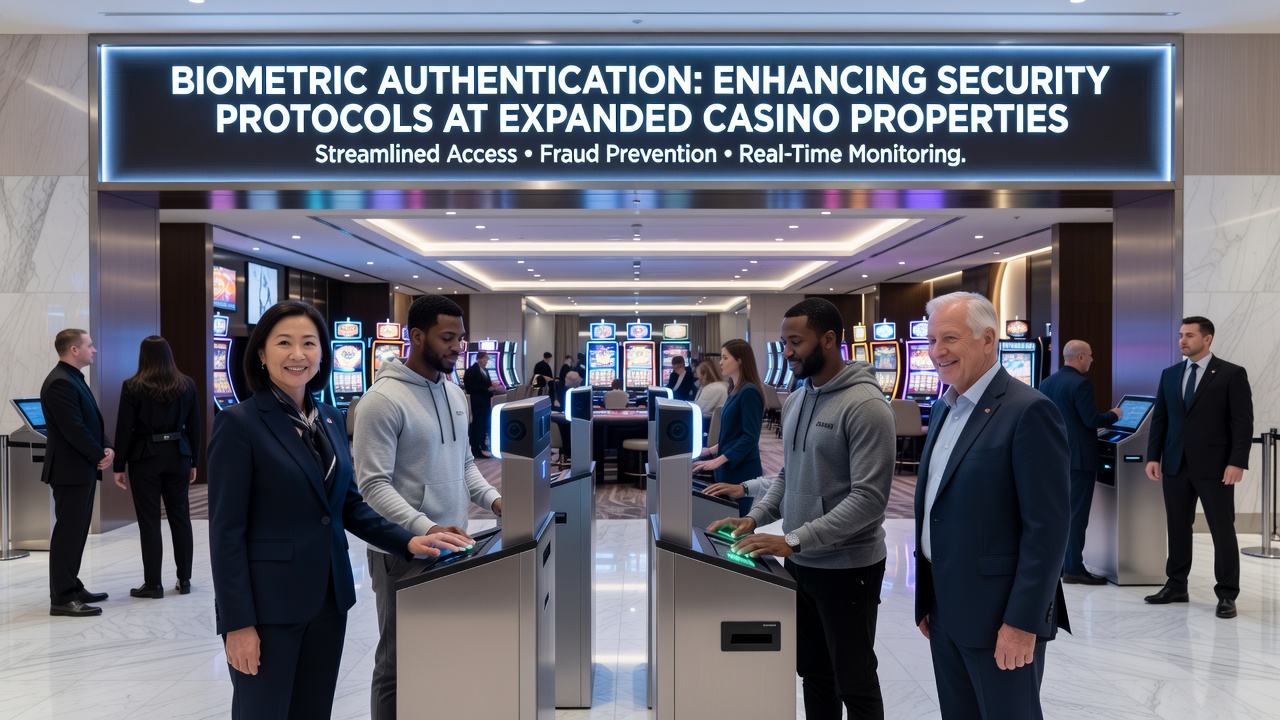
Biometric Authentication Integrates into Security Protocols at Expanding Casino Properties
Expanded casino properties have incorporated biometric authentication methods such as fingerprint scanning, facial recognition, and iris verification into their daily operations, and these systems have produced measurable changes in security protocols since early 2025. Multiple facilities across Nevada, California, and Pennsylvania reported implementation rates above 60 percent by July 2026, according to data compiled by state gaming regulators.
Security teams at these venues now require biometric enrollment during player registration, which replaces or supplements traditional ID checks and PIN-based systems. The shift allows real-time matching against databases maintained by gaming control boards, and it reduces the time needed for identity confirmation from several minutes to under 30 seconds in most documented cases.
Adoption Patterns Across Growing Venues
Facilities undergoing physical expansions have prioritized biometric infrastructure because construction timelines align with technology upgrades. One property in California completed a 40,000-square-foot addition in spring 2026 and installed facial recognition kiosks at all entry points, while another in Pennsylvania integrated fingerprint readers at high-limit tables and cash cages during its renovation phase. These installations occurred alongside broader network upgrades that support encrypted data transmission between on-site servers and centralized regulatory databases.
Industry reports indicate that biometric adoption correlates with increased floor space and higher guest volumes. Properties averaging more than 2,000 slot machines showed adoption rates nearly double those of smaller venues, and the pattern holds across both tribal and commercial operators. Equipment suppliers have noted steady orders for multi-modal devices that combine fingerprint and facial capture, which allow fallback authentication when one method encounters technical issues.
Impacts on Existing Security Frameworks
Once biometric systems go live, casinos revise access-control policies to include continuous verification at transaction points. Cashiers now scan fingerprints before processing large payouts, and surveillance teams receive automated alerts when a scanned individual matches a watch list flagged for prior incidents. These protocol adjustments have produced documented reductions in certain fraud categories, including identity misrepresentation at redemption counters.

Data handling procedures have also evolved. Facilities must now maintain separate biometric templates that undergo regular audits by third-party assessors, and many properties have shortened retention periods for raw images to comply with updated state rules issued in late 2025. Security directors report that these changes require additional staff training on data minimization and breach-response procedures, yet the overall number of manual identity checks has declined.
Regulatory and Technical Considerations
State gaming commissions in multiple jurisdictions have published technical standards that specify encryption levels and interoperability requirements for biometric hardware. Operators must demonstrate that systems can interface with existing player-tracking software without creating single points of failure. In August 2026, several properties submitted compliance documentation showing successful integration with new digital wallet platforms, which rely on biometric confirmation before authorizing transfers above set thresholds.
Researchers at academic institutions studying casino security have examined error rates associated with different biometric modalities. Facial recognition systems showed higher false-positive rates under varying lighting conditions common on gaming floors, whereas fingerprint readers maintained consistency above 99 percent in controlled tests conducted at operational sites. Operators have responded by deploying hybrid setups that combine modalities and allow manual override by trained personnel.
Additional considerations include visitor consent processes. Properties now display clear signage and require affirmative acknowledgment before capturing biometric data, and they provide opt-out pathways that route guests through conventional verification lines. These measures align with broader privacy frameworks adopted by gaming associations and referenced in reports from regulatory bodies in Canada and Australia.
Future Integration Pathways
Expanded properties continue to test mobile biometric applications that let patrons complete enrollment before arrival. Early trials at two Nevada locations demonstrated reduced queue times at busy entrances during peak weekend periods. Security protocols are being updated to accommodate these remote processes while maintaining audit trails that satisfy regulatory review cycles.
Equipment vendors have introduced devices capable of liveness detection, which distinguishes between live subjects and photographs or recordings, and operators have begun incorporating these features into their standard procurement specifications. The combination of hardware improvements and protocol refinements supports continued expansion of biometric use at properties that increase their square footage and gaming positions.
Conclusion
Biometric authentication has become a standard component of security infrastructure at casino properties that have undergone recent expansions. The technology influences registration, transaction monitoring, and data-protection procedures while prompting regulatory updates and staff training programs. Available figures show adoption rates rising in line with property growth, and technical standards continue to evolve to address both performance and compliance requirements across jurisdictions.